When people talk about the afterlife, one of the names most commonly mentioned is Yama, also known as Phra Yom or Yommalat. In Buddhist and Thai beliefs, Yama is the deity who judges the good and bad deeds of every soul after death. Many people wonder: Who is Yama? Where did this belief come from? What role does Yama play in Thai belief and Buddhism? This article will introduce the legend of Yama and explore how this deity is viewed in different cultures.
Who is Yama?
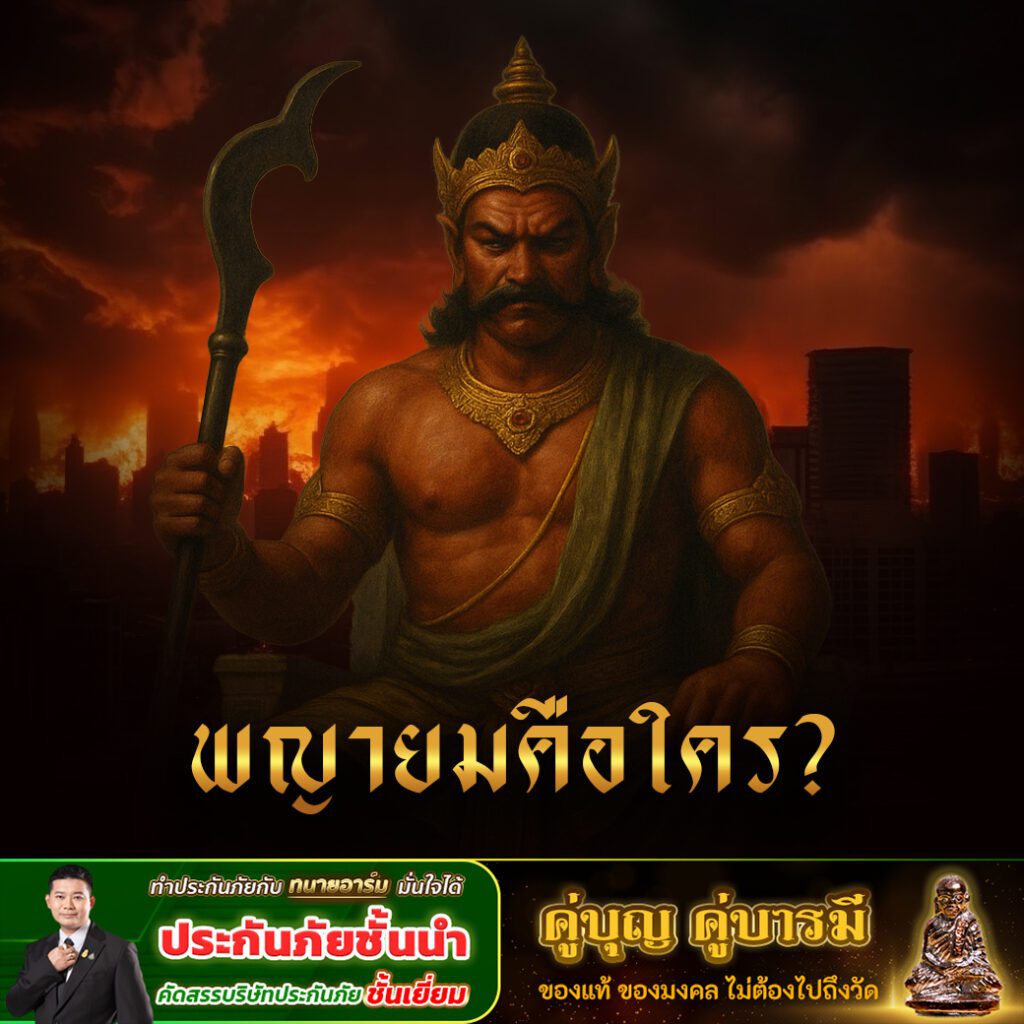
Yama, also known as Phra Yom or Yama Raja, is the deity who judges souls after death according to Buddhist and Brahmanism–Hindu beliefs. He rules the underworld, or the realm of the dead, where he weighs each person’s good and bad deeds and decides the realm in which they will be reborn, such as heaven, hell, or the human world.
The Origin of Yama in Indian Tradition
In Brahmanism and Hinduism, Yama is one of the principal deities. He is the son of the Sun God (Surya) and is responsible for overseeing the souls of the deceased. He is traditionally depicted riding a buffalo and carrying either a staff or the noose of Yama, which is used to bring the souls of humans to the underworld when their lifespan comes to an end.
The name “Yama” means “twin,” referring to his twin sister Yamuna, the goddess of the Yamuna River. According to Indian tradition, Yama was the first human to die and therefore became the ruler of the land of the dead.
Yama in Buddhist Belief
In the Tipitaka and other Buddhist scriptures, Yama is described as the deity responsible for judging good and bad deeds. Assisting him are the Nirayapala, the guardians of the underworld, who record the actions of every human being. After a person dies, Yama reviews these records and determines the most appropriate realm for that soul.
One well-known Buddhist saying is: “Hell is the result of karma, and heaven is the result of merit.” This belief reflects Yama’s role in judging the karmic results of each person’s actions.
Yama in Thai Belief
In Thai culture, the belief in Yama has been blended with Buddhism and traditional folk beliefs. He appears in many forms of storytelling, including Buddhist tales, traditional dramas, and classical literature. He is often portrayed as a large, stern-looking man riding a buffalo and carrying out his duties with fairness.
Many older generations have taught their children: “Don’t do bad deeds, or Yama will drag your soul to hell.” This expression uses the image of Yama to teach moral values and encourage people to do good.
The Duties of Yama
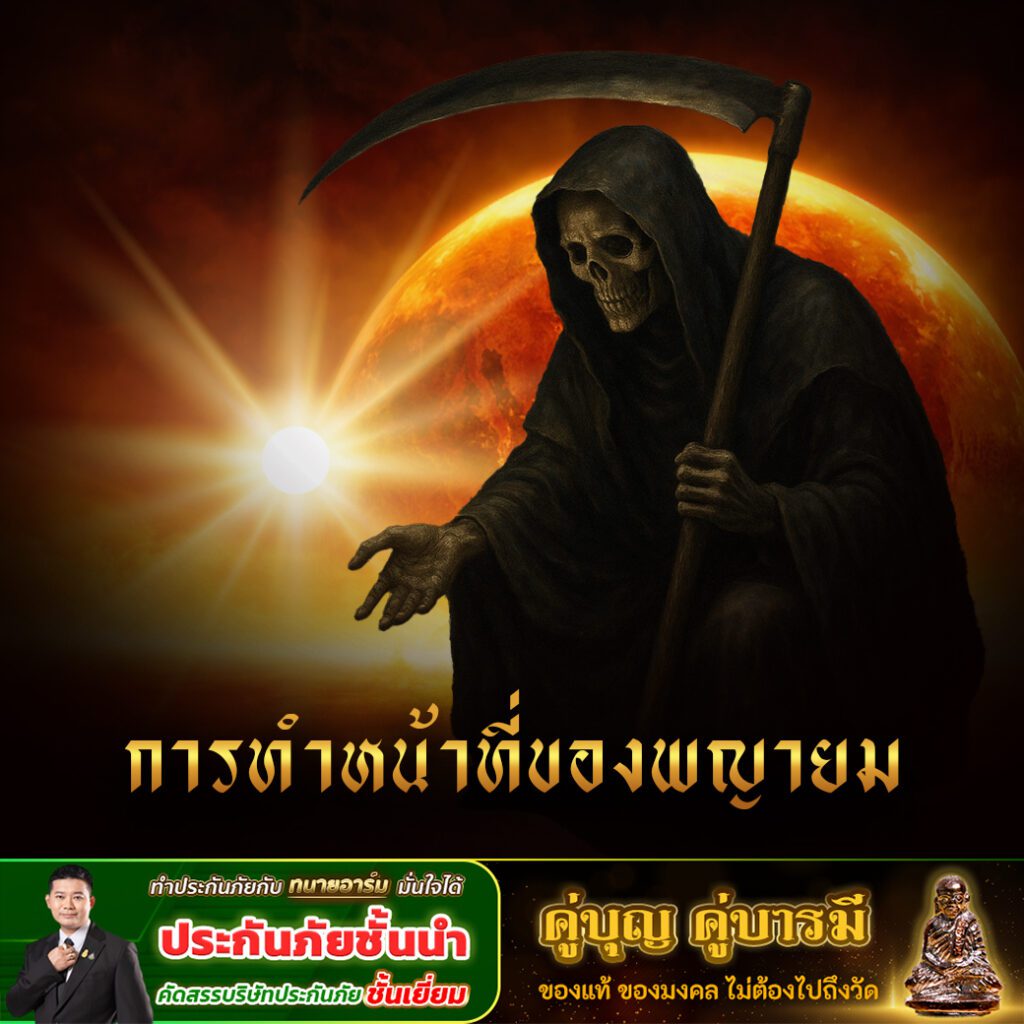
- Receiving Souls – After a person dies, their soul is taken to the underworld.
- Reviewing Karma – Yama and the Nirayapala examine the good and bad deeds of the deceased.
- Passing Judgment – Those who have committed many bad deeds are sent to hell, while those who have accumulated much merit are reborn in a better realm, such as heaven.
- Guiding Rebirth – According to Buddhist teachings, every soul continues through the cycle of rebirth based on its karma.
Why Is Yama Both Respected and Feared?
Yama is respected and feared because he is believed to judge the results of each person’s karma. According to Buddhist belief, no one can escape the consequences of their actions. Even if someone avoids punishment under human law, they cannot escape the law of karma. Yama serves as a reminder that whether our actions are good or bad, their consequences will eventually return to us.
Yama in the Modern World
Even in today’s world, the story of Yama may be seen as a spiritual belief or a traditional legend. However, it continues to remind people to live with kindness, uphold moral values, and be mindful of the consequences of their own actions.
Yama: A Symbol of Justice After Death
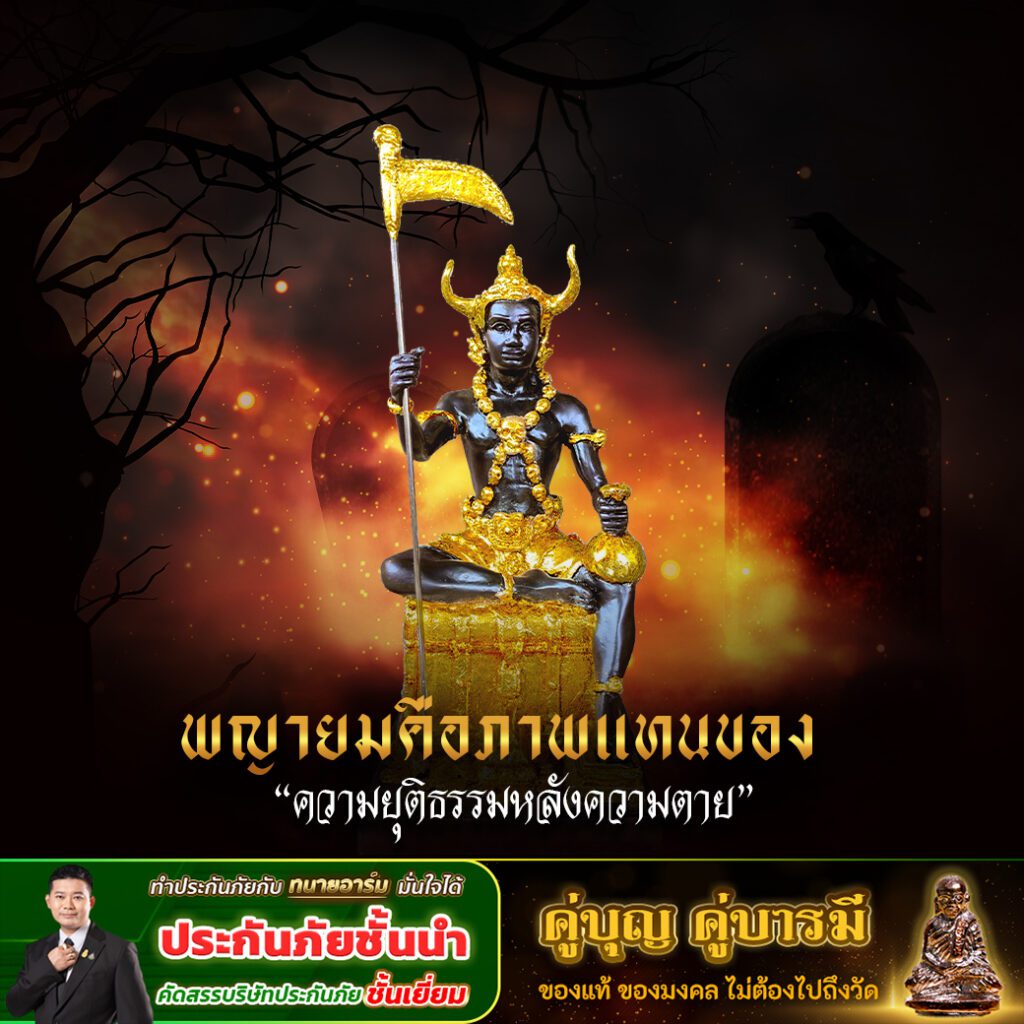
Yama or Phra Yom is not a god of fear. Instead, he is the guardian of justice in the afterlife, judging every soul according to its karma without bias. He represents the natural law of cause and effect, reminding people that everyone is responsible for the results of their own actions. For those who wish to better understand karma or who are interested in religion, traditional beliefs, or ethics in daily life, the legend of Yama offers another way to explore these ideas.
If you enjoy the knowledge shared in our articles, don’t forget to follow our website for more content on beliefs, culture, and Buddhist teachings in everyday life. If you are interested in sacred amulets, you are also welcome to explore the collection on our website. For more information, please click >>Contact Us<<.