


No matter the era, many Thai people continue to hold religious beliefs. For example, many believe that if their fortune is unfavorable, trying to dispel misfortune may help lessen it. If the misfortune is more serious, some may choose to enter the monkhood in order to gain greater merit. There are many traditional Thai ways to dispel misfortune. Whether they are effective or not depends on each person’s belief. If someone follows these practices and does not experience serious hardship, they may believe that they have worked. However, if something bad still happens, they may believe that they have not worked. Let’s take a look at 9 traditional Thai beliefs to dispel misfortune.
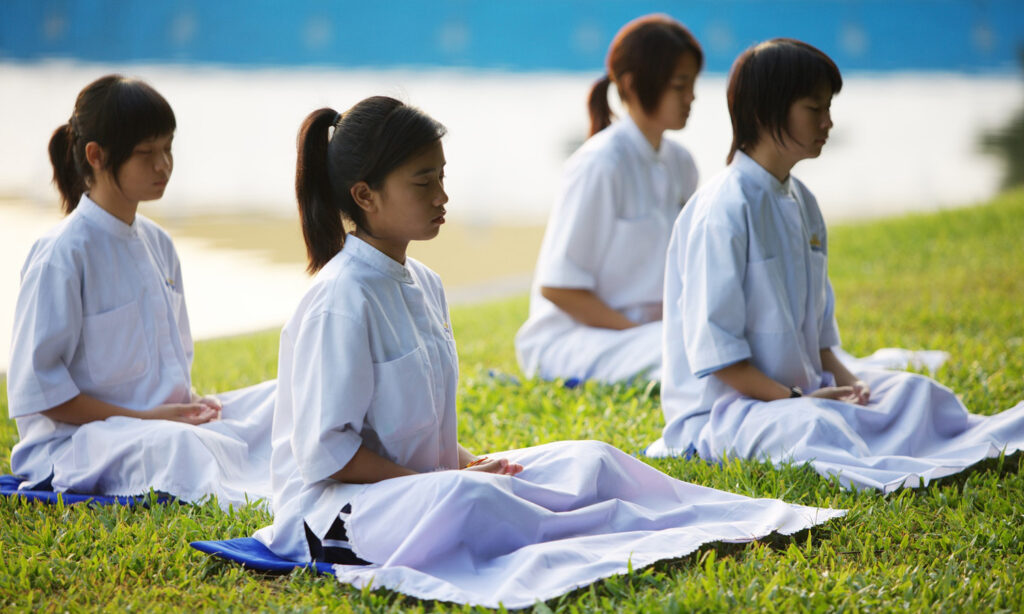
1. Observe the Precepts.
Observing the precepts is one of the easiest and most accessible practices. For example, observing the Five Precepts, which are the easiest precepts to follow, is believed to help accumulate merit and lessen misfortune. Besides the Five Precepts, you may also observe the Eight Precepts if you
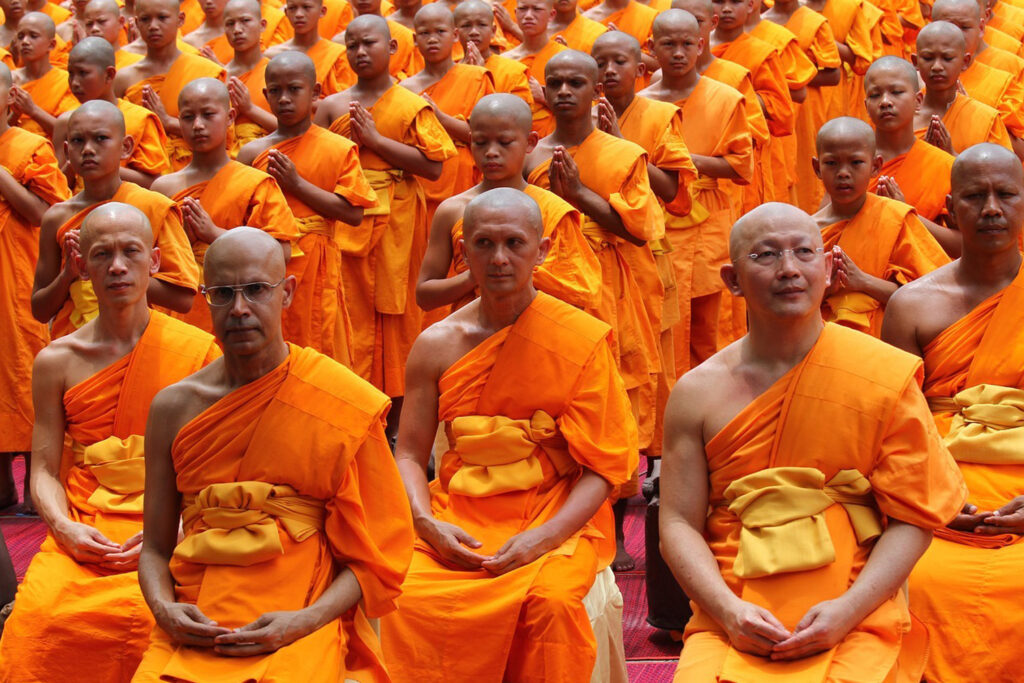
2. Ordination
In Thailand, it is traditionally believed that Thai men should enter the monkhood when they reach the age of 21 as a way of repaying the kindness of their parents. As people often say, “By holding on to the yellow robe, one’s parents can reach heaven.” Ordaining as a Buddhist monk is believed to bring great blessings from merit because monks observe 227 precepts and are regarded as those who practice the Dhamma properly. Therefore, when someone faces serious misfortune, they are often advised to enter the monkhood. Women may choose to observe religious practice by wearing white robes, or if they wish to receive greater blessings from merit, they may choose to ordain as Buddhist nuns. It is believed that ordination can help improve one’s destiny.

3. Observe the Precepts and Eat a Vegetarian Diet
กObserving the precepts while eating a vegetarian diet is another way that is believed to help reduce the bad karma from eating meat. Eating a vegetarian diet is also regarded as a way of making merit because it is practiced together with observing the precepts. Besides avoiding the bad karma from taking the lives of animals, it also helps calm the mind and strengthen concentration through observing the precepts. In addition, avoiding meat helps reduce the workload on the stomach, and eating more vegetables helps the intestines function better.

4. Perform Major Acts of Merit
Making merit has always been part of Thai life. It can also be said that Thai people often make merit. Many Thai people believe that performing major acts of merit, such as helping to build a temple or an ordination hall, brings great merit. Therefore, those who wish to lessen their misfortune are often encouraged to make merit at temples. They may also make donations to orphanages, homes for the elderly, or give charity to people in need. These acts are believed to bring great blessings from merit into one’s life.
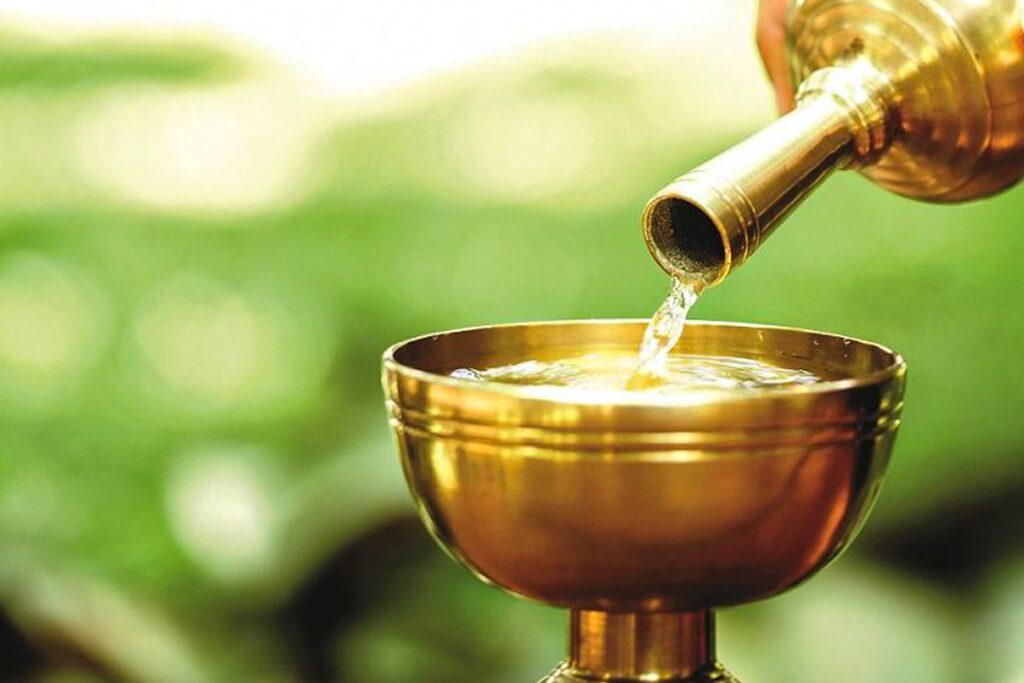
5. Regularly Dedicate Merit and Ask for Forgiveness
After making merit, do not forget to perform the water-pouring ritual to dedicate merit and ask for forgiveness or pardon. Begin by reciting Namo three times, then pray: “I dedicate all the merit I have made to my deceased relatives, Mother Earth, my guardian deity, and my karmic creditors, whether human or animal, whom I may have offended, troubled, harmed, or caused pain, whether intentionally or unintentionally.” After that, extend loving-kindness to your karmic creditors and dedicate the merit to them. It is believed that dedicating merit may help lessen misfortune.
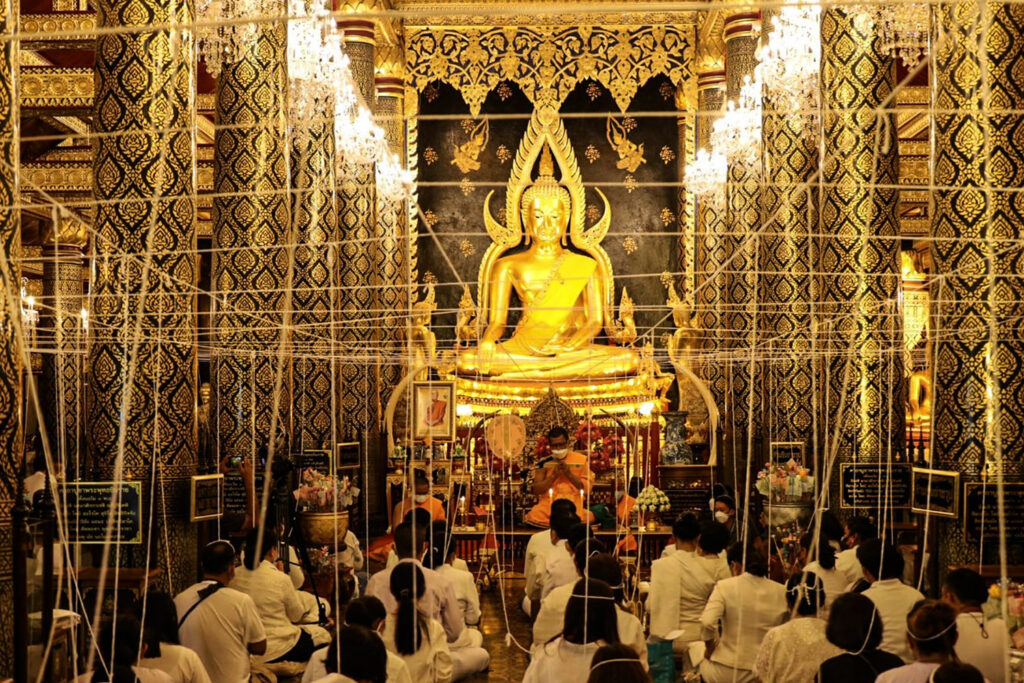
6. Chant, Chant the Phan Yak, and Practice Dhamma
Chanting the Phan Yak is another practice that many Thai people perform to ward off negative things. Every year, many temples hold Phan Yak chanting ceremonies to dispel misfortune. People may also chant, visit temples to listen to Dhamma teachings, practice meditation, practice Vipassana meditation, or practice Dhamma to calm the mind and let go of suffering and attachment. Chanting is also regarded as a way of accumulating merit. This practice is simple and convenient, takes little time, and can be practiced anywhere.

7. Release Animals as an Act of Merit
Releasing birds, releasing fish, or saving the lives of animals helps extend the lives of those living creatures. Thai people believe that saving one life is like extending their own lifespan. It is regarded as a great act of making merit and accumulating merit, and is also considered one way of dispelling misfortune. When people wish to dispel misfortune, one of the first things they often do is release birds or fish.
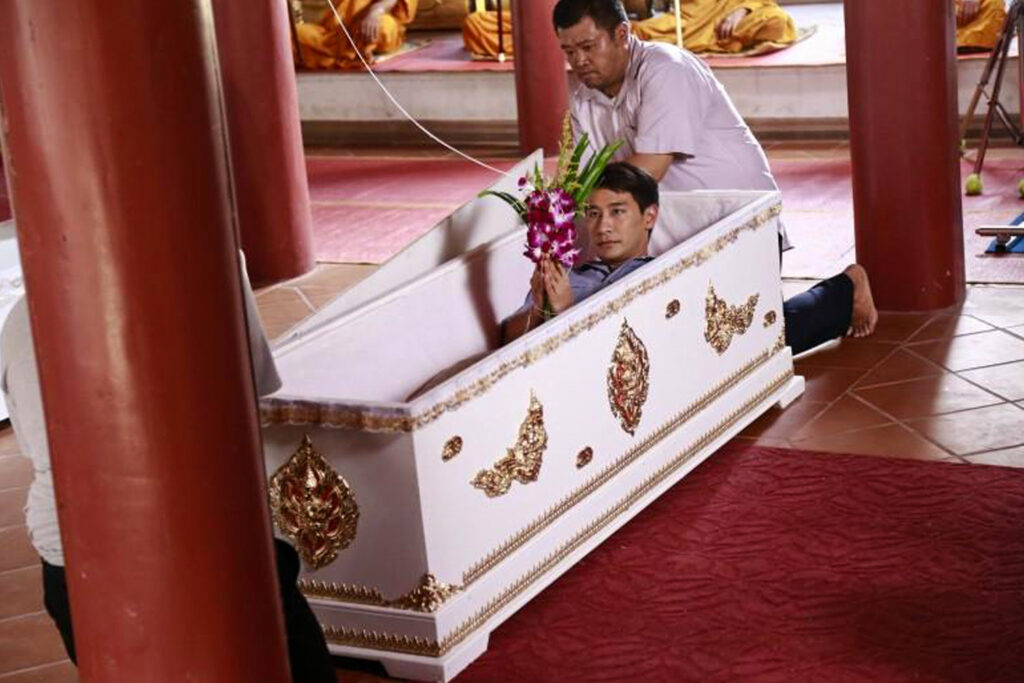
8. Lie in a Coffin
Thai people believe that lying in a coffin is like extending one’s own life and may help lessen serious misfortune. It is also compared to dying and being born again, or starting a new life once more. If you are not comfortable with lying in a coffin, you may instead donate a coffin, buy a burial shroud, or help unclaimed bodies.
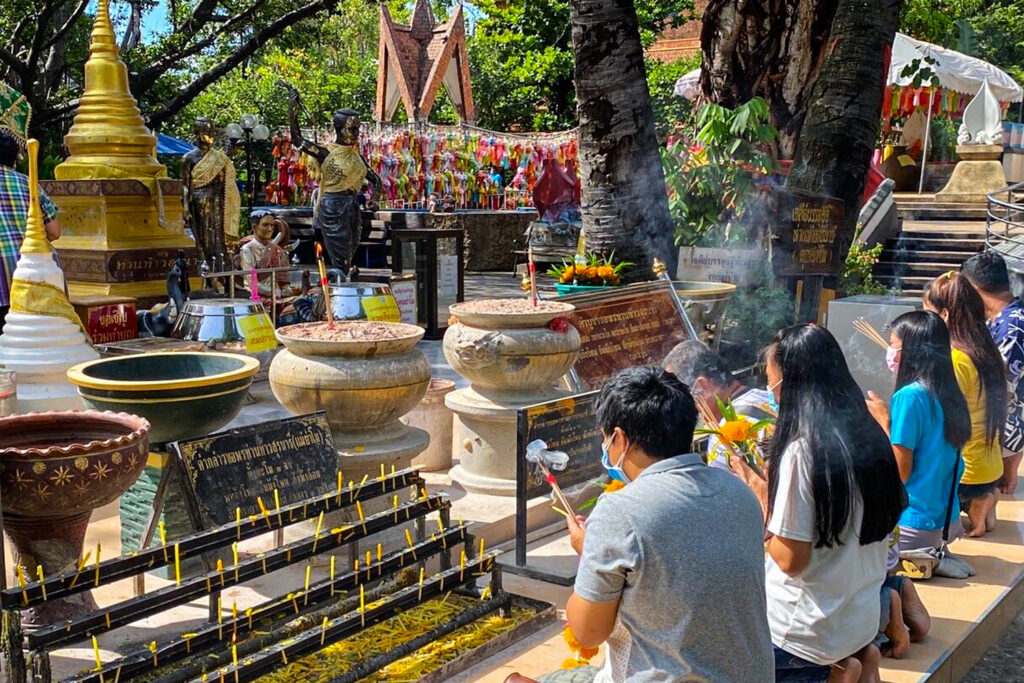
9. Pay Respect to Buddha Images or Pray to Deities for Blessings
Visiting temples to pay respect to Buddha images or pray to deities for blessings is one of the first and easiest things you can do. You may choose a temple near your home that you regularly visit, or a well-known temple that you have faith in, and pray for peace, happiness, and good health. After praying, you should also continue to do good deeds, because sacred beings do not grant blessings to those who do not do good deeds.
However, making merit to dispel misfortune is only a way to bring peace of mind and ease worry and discomfort. The most important thing is to continue doing good deeds. If a person only creates bad karma and then relies on rituals to dispel misfortune, no one would continue doing good deeds. As a Buddhist saying goes: “There is no such thing as dispelling misfortune. Whatever karma a person creates, that person must bear the consequences of that karma.” Therefore, continue to do good deeds. If you would like to read more articles, please visit the ARM’S ARMOR website or follow the ARM’S ARMOR Facebook page. Thank you for your support