
The Sian Khru (Teacher Head) is one of the most important sacred objects in Thai ritual traditions, particularly in the fields of traditional performing arts, Thai classical music, Khon and theatrical performances, as well as among masters of occult knowledge and ceremonial rites. Its significance ranges from being a symbol of gratitude and respect, to serving as a connection between teacher and disciple, as well as providing protection and auspicious blessings. It reflects the value of reverence for teachers, which has long been a fundamental principle of Thai society.
Origins of the Sian Khru
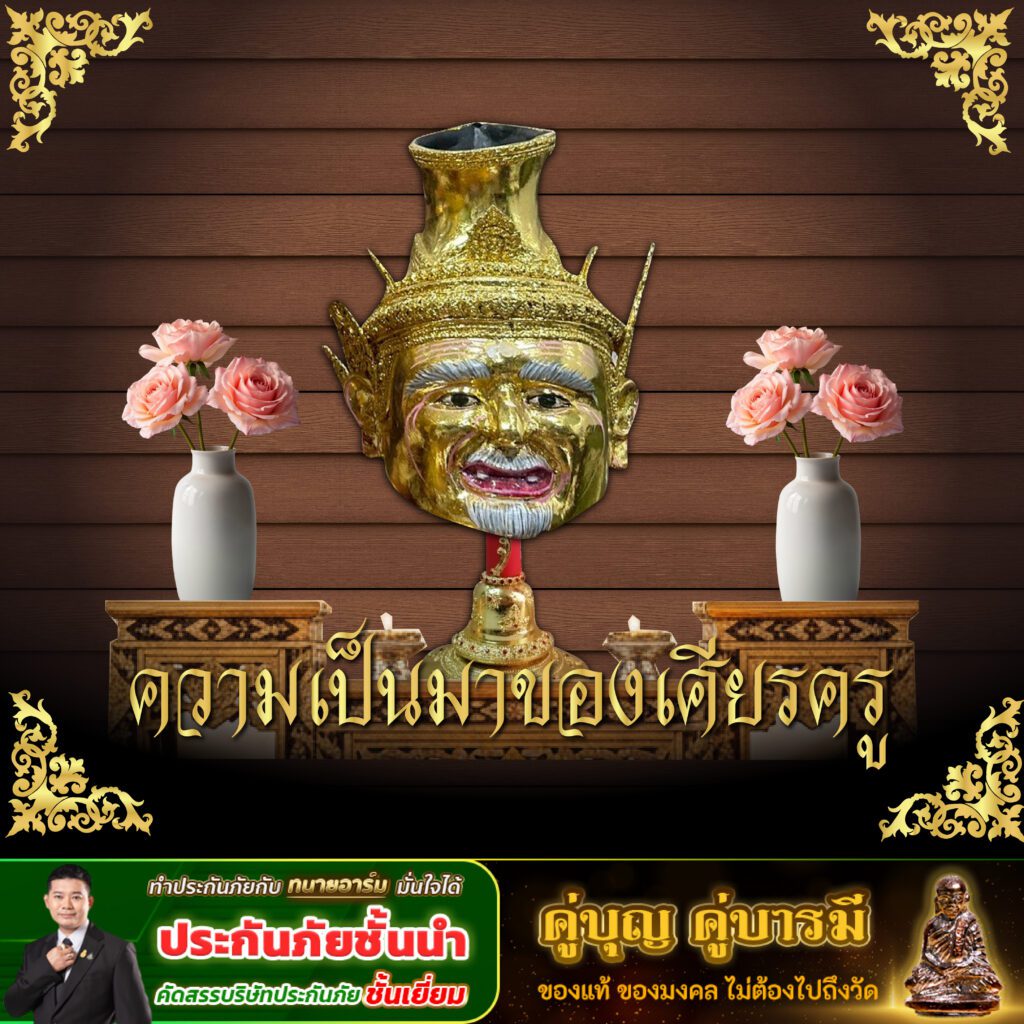
The origin of Sian Khru is rooted in ancient beliefs that blend Brahman–Hindu traditions with Buddhism. In Thai belief, a teacher is regarded as the one who imparts knowledge and wisdom, and possesses sacred virtues worthy of reverence and worship.
The creation of Sian Khru arose as a way of representing teachers or deities in the form of a “head,” as the head is considered the highest part of the body and the center of power and wisdom. Therefore, the worship of Sian Khru carries a spiritual meaning of paying respect to teachers who have passed down knowledge and to the deities who provide protection.
In Thai performing arts, such as Khon and traditional drama, figures such as the Head of Phra Phirap (the principal teacher of Khon), the Head of Hanuman, and the Head of Ruesi Ta Fai are created and worshipped in the Wai Khru ceremony before every performance. Meanwhile, in the tradition of sacred and esoteric knowledge, many schools maintain their own Sian Khru for use in rituals, believing it to be the dwelling place of teachers and protective deities.
Symbolic Meanings
• Sian Khru = A representation of the teacher who imparts knowledge and wisdom
• Worship = An expression of gratitude and a request for permission to study a discipline
• Placement in rituals = A means of enhancing auspiciousness and building confidence that learning or performances will achieve success
These meanings make Sian Khru more than merely an object of worship; it is a “symbol of the teacher” that reflects both cultural values and spiritual significance.
Beliefs Associated with Sian Khru
1. A Representation of Teachers and Deities Who Transmit Knowledge
Such as Phra Phirap, Hanuman, and Ruesi (Hermits). Worshipping a Sian Khru is a way of paying respect to the teachers who impart knowledge and wisdom.
2. A Spiritual Link Between Teacher and Student
Students are expected to perform a wai khru ceremony to seek permission before studying a discipline. It is believed that neglecting this tradition may result in unsuccessful learning or the inability to fully benefit from the knowledge acquired.
3. A Protective Sacred Object
Followers of traditional disciplines believe that a Sian Khru helps protect against misfortune and supports smooth progress in life and work.
4. A Source of Auspicious Blessings for Its Owner
Those who keep and worship a Sian Khru believe that it brings prosperity in their careers, artistic pursuits, and fields of study.
The Importance of Sian Khru
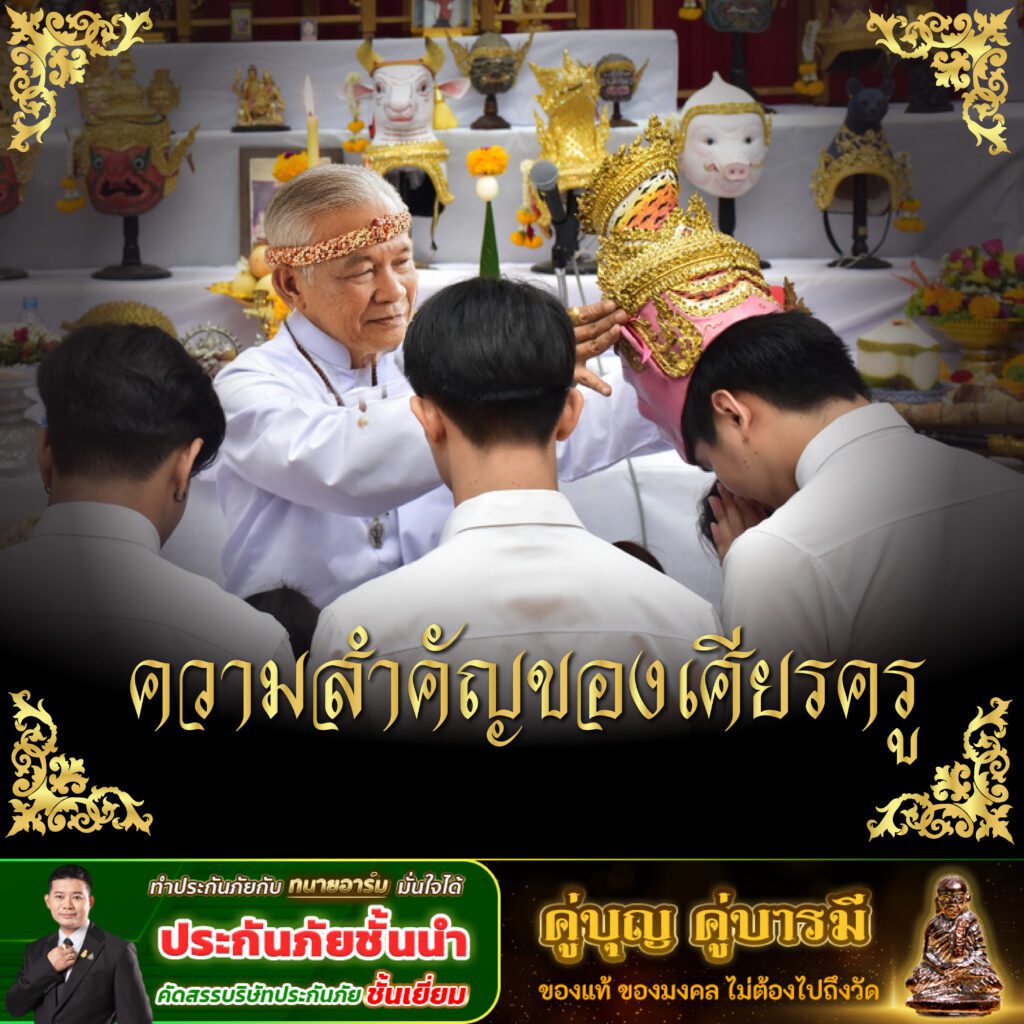
• In Traditional Performing Arts, Music, Khon, and Classical Drama
Every year, wai khru ceremonies are held with Sian Khru placed as the focal point of worship, such as the Head of Phra Phirap or Ruesi Ta Fai. These ceremonies express gratitude to teachers and seek blessings for successful performances.
• In Traditional Knowledge and Esoteric Practices
Teachers and masters use Sian Khru as a spiritual center and as a symbol that a disciple has been granted permission to study a particular discipline or body of knowledge.
• In Contemporary Thai Society
Sian Khru has become a popular sacred object kept in homes, studios, and institutions for worship. Beyond its ceremonial role, it is also regarded as a work of art and an important cultural heritage.
• In Cultural and Spiritual Contexts
Sian Khru reflects the belief that “those who seek knowledge must honor their teachers,” a core value deeply rooted in Thai culture.
The Process of Creating a Sian Khru
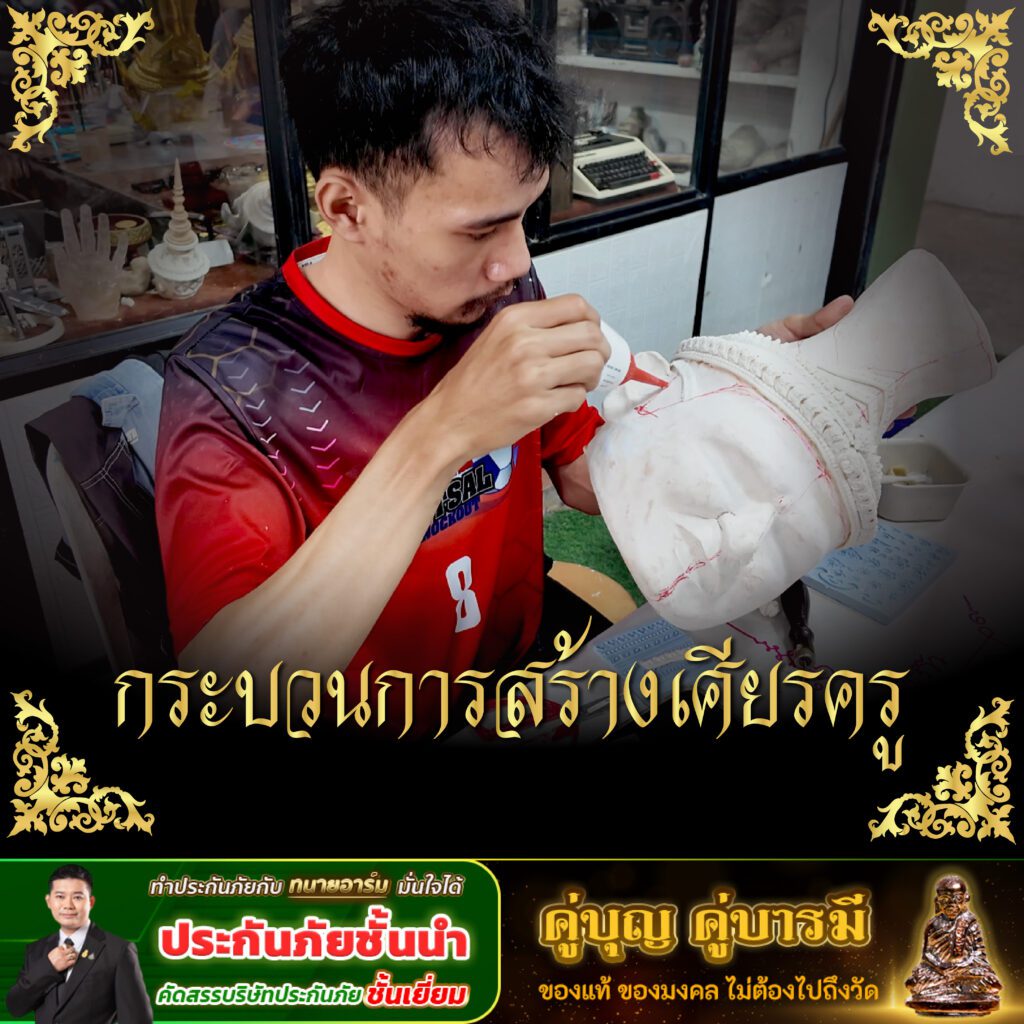
Crafting a Sian Khru is an artistic process that requires skill, knowledge, and a deep understanding of traditional beliefs and symbolism.
1. Preparing the Structure – A framework is made with clay, plasticine, or bamboo to determine the proportions.
2. Sculpting the Details – The face, eyes, nose, mouth, as well as ornaments according to tradition, are sculpted.
3. Coating and Casting – Plaster, resin, or fiberglass is used in modern times.
4. Applying Lacquer, Gilding, and Painting – For beauty and durability, such as Phra Phirap with a black face and Hanuman with a white face.
5. Consecration or Eye-Opening Ceremony – Inviting the teacher or deity to reside within the head, which is considered the completion of the Sian Khru.
Renowned Masters in the Creation of Sian Khru
• The Ten Traditional Crafts Division, Fine Arts Department – Preserves the traditional craftsmanship of Khon Sian Khru creation.
• Chakrabhand Posayakrit – A National Artist and expert in Thai art and performing arts.
• Montri Tramote – Continued the Thai music Wai Khru ceremony in which Sian Khru is used as part of the ritual.
• Local Artisans – Many workshops have passed down the craft of sculpting Sian Khru through family lineages.
• Revered monks and spiritual masters, such as Luang Pu Moon of Wat Ban Jan and Luang Pu Kahlong of Wat Khao Laem, who created Sian Khru as sacred amulets.
Significance in Art and Ritual
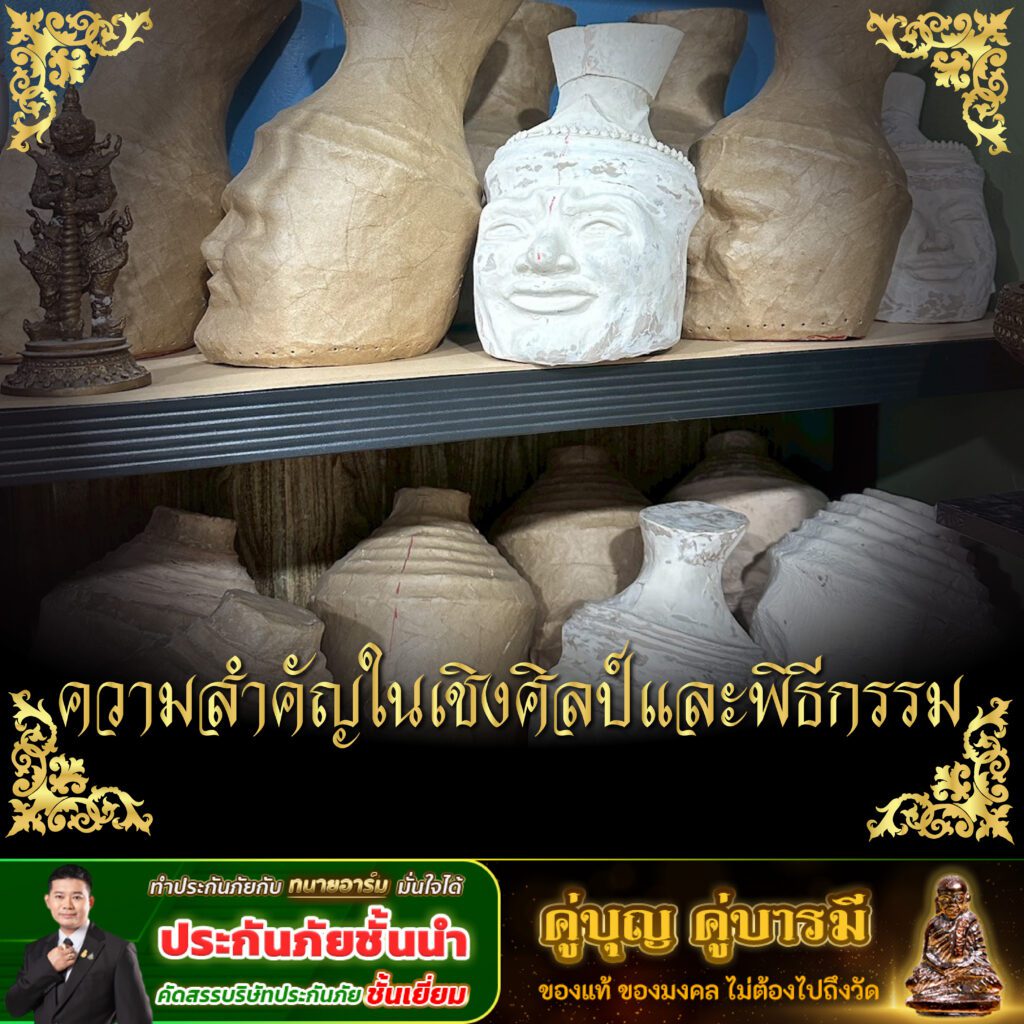
Sian Khru is not merely a beautiful piece of craftsmanship, but an art form embedded with beliefs and spirituality. Its creation requires delicacy, knowledge of traditional texts, and the performance of accompanying rituals. Therefore, artisans who create Sian Khru are often regarded as both artists and preservers of traditional wisdom.
Sian Khru is an artistic and cultural heritage that combines belief, faith, and gratitude toward teachers and masters. Whether in the fields of traditional performing arts, Thai music, Khon drama, or spiritual and mystical traditions, Sian Khru continues to serve as a symbol of the teacher, offering protection and auspicious blessings to devotees. It also remains a refined form of traditional art worthy of preservation and continuation for future generations.